
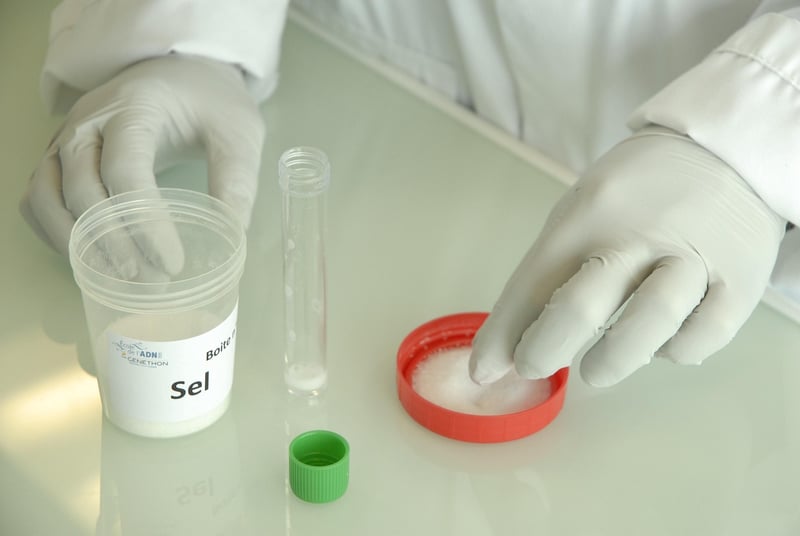
The Science of Cooking and Texture Experimentation
Have you ever wondered what makes a perfectly cooked steak so tender and juicy or why a soufflé rises in the oven? The world of cooking is not just an art but also a science, where understanding the chemical reactions and physical changes that occur during cooking can elevate your culinary skills to new heights.
The Maillard Reaction: Creating Flavor Through Science
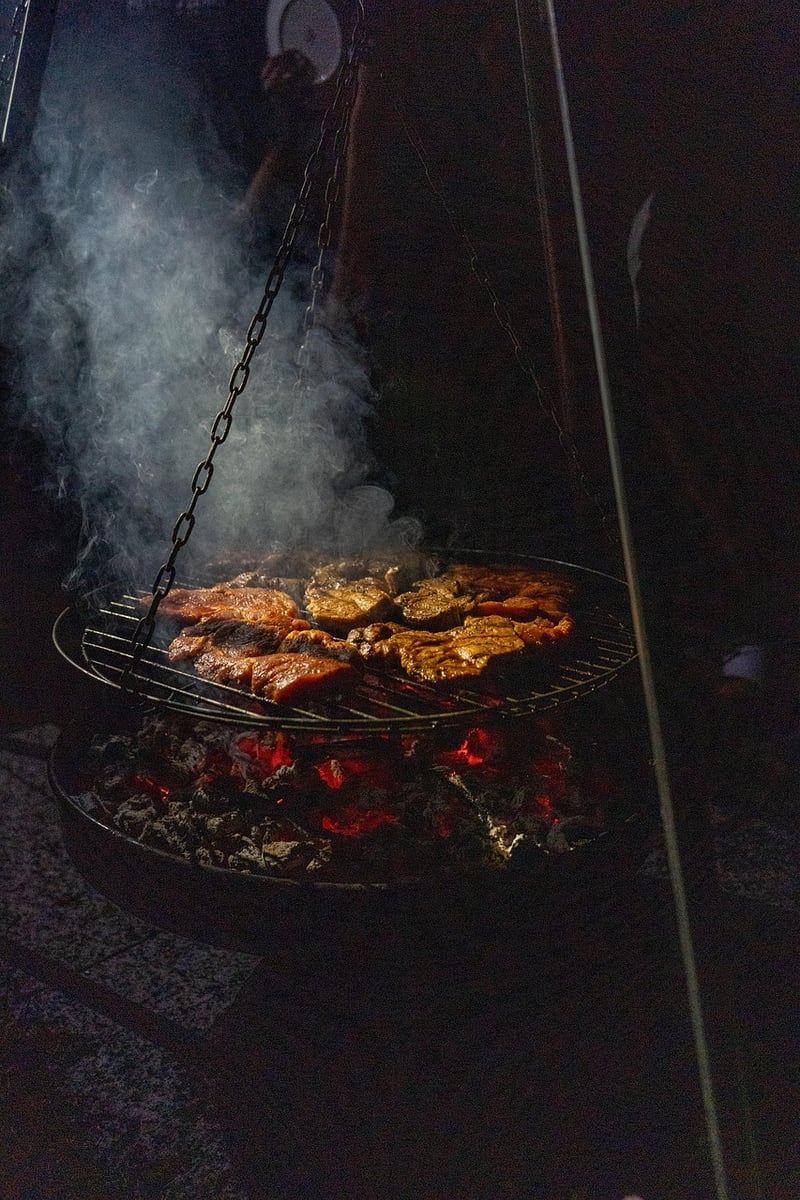
One of the fundamental concepts in cooking is the Maillard reaction, named after the French chemist Louis-Camille Maillard. This reaction occurs when amino acids and reducing sugars are subjected to heat, resulting in the browning of food and the development of complex flavors. It is responsible for the delicious crust on a seared steak, the golden color of bread crust, and the rich flavor of roasted coffee beans.
Texture Experimentation: Playing with Mouthfeel
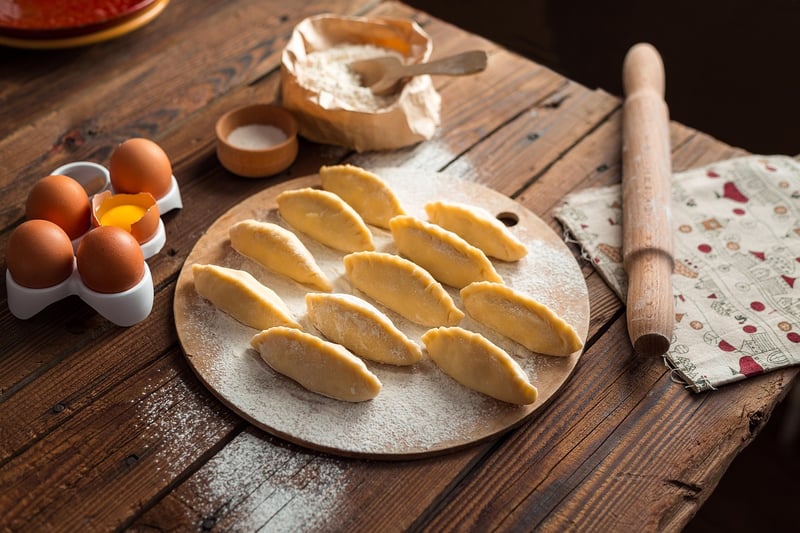
Texture is a crucial element in the dining experience, influencing how we perceive flavors and enjoy our food. Chefs and food scientists often experiment with different techniques to manipulate textures, creating dishes that surprise and delight the palate.
Emulsification: The Key to Creamy Sauces
Emulsification is a process where two immiscible liquids, such as oil and water, are combined into a stable mixture. This technique is used to create creamy sauces like mayonnaise and hollandaise, where the oil droplets are dispersed evenly in the water-based mixture, resulting in a smooth and luxurious texture.
Spherification: Turning Liquids into Spheres
Spherification is a technique popularized by molecular gastronomy, where liquids are transformed into spheres that burst with flavor when eaten. By using calcium chloride and sodium alginate, chefs can create caviar-like beads of fruit juice or savory broth, adding a unique textural element to dishes.
Conclusion
Exploring the scientific principles behind cooking not only enhances your understanding of the culinary world but also opens up a realm of possibilities for experimentation and innovation in the kitchen. By delving into the intricate processes that govern food transformation, you can elevate your dishes to a whole new level of taste and texture.
So next time you're in the kitchen, don't just follow a recipe – experiment, observe, and uncover the fascinating science behind every bite.